AI-native analytics for healthcare, built on a governed semantic layer
In healthcare, the number behind a decision has to be right — and explainable. Cube is the agentic analytics platform for healthcare: clinical, operational, and finance teams ask questions in plain language and get answers grounded in a governed semantic model that encodes how your organization defines each metric. The same definitions serve BI, spreadsheets, agents, and analytics embedded for partners — under HIPAA-grade access controls.

Smarter Data, Faster Healthcare Decisions
AI agents answer clinical, regulatory, and operational questions on top of governed definitions, so the metric behind a decision is the one your organization approved. Teams explore without SQL, get reports without waiting on analysts, and every agent step stays explainable for review.
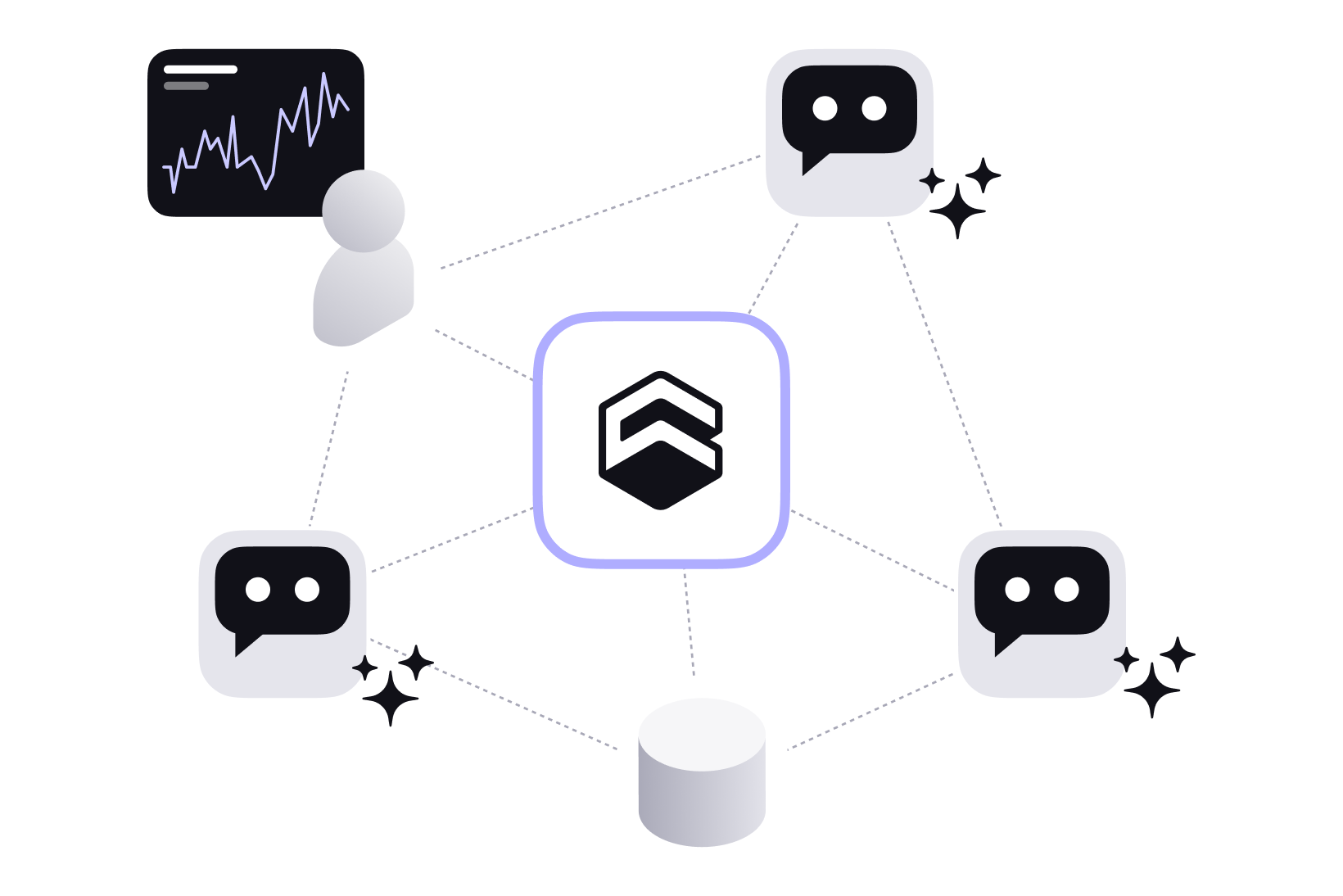
Enhance Data Security, Governance, and Compliance
Model access controls once, in the semantic layer, and enforce them everywhere data is consumed. Row-level security and auditable definitions help you meet HIPAA and GDPR while keeping sensitive patient data governed across BI, agents, and embedded analytics.

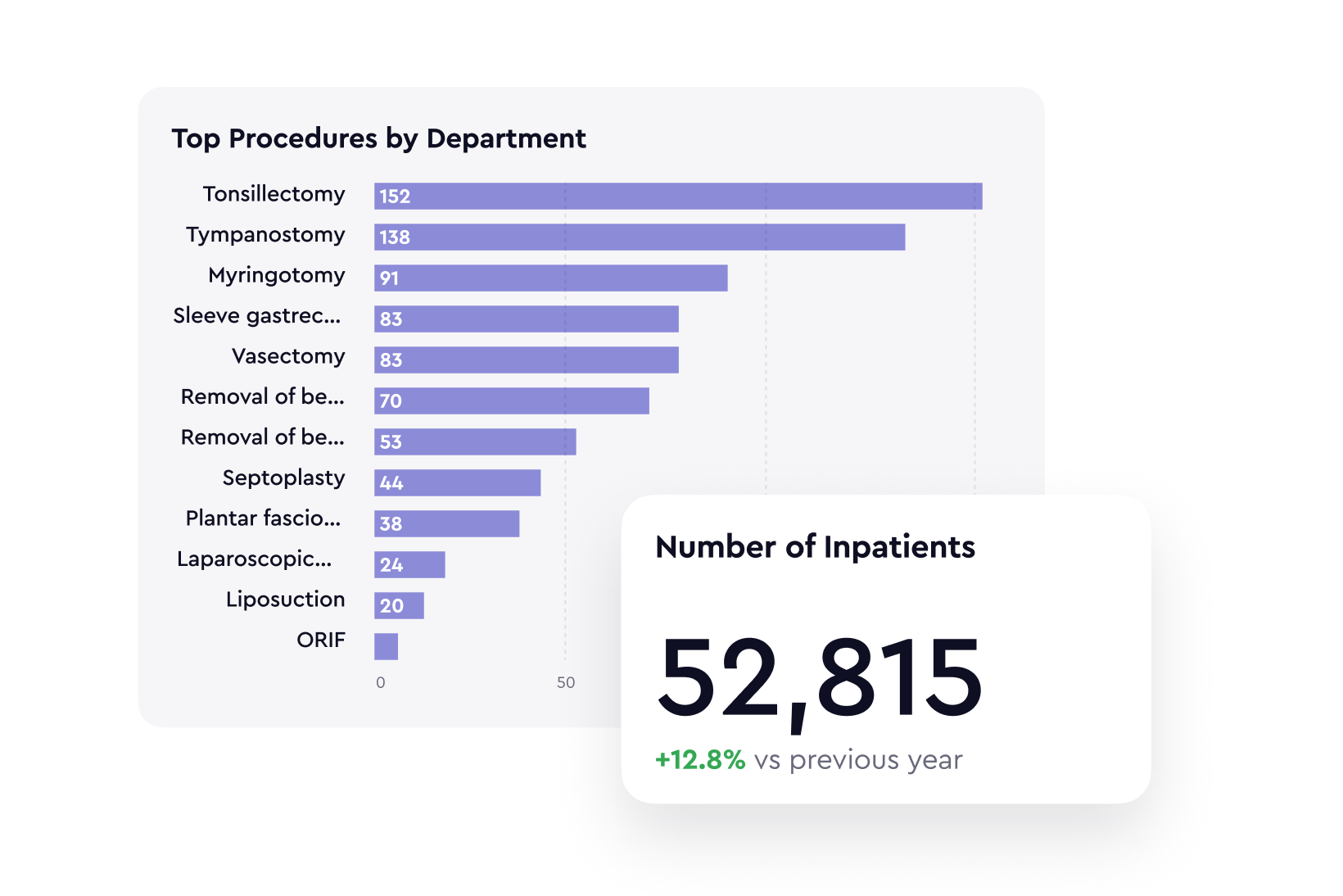
Accelerate Clinical and Operational Insights
Give clinical and operational teams fast, governed answers to reduce costs and improve outcomes. Agents and analysts work from the same model, so an insight surfaced in chat matches the number in the dashboard and the report.
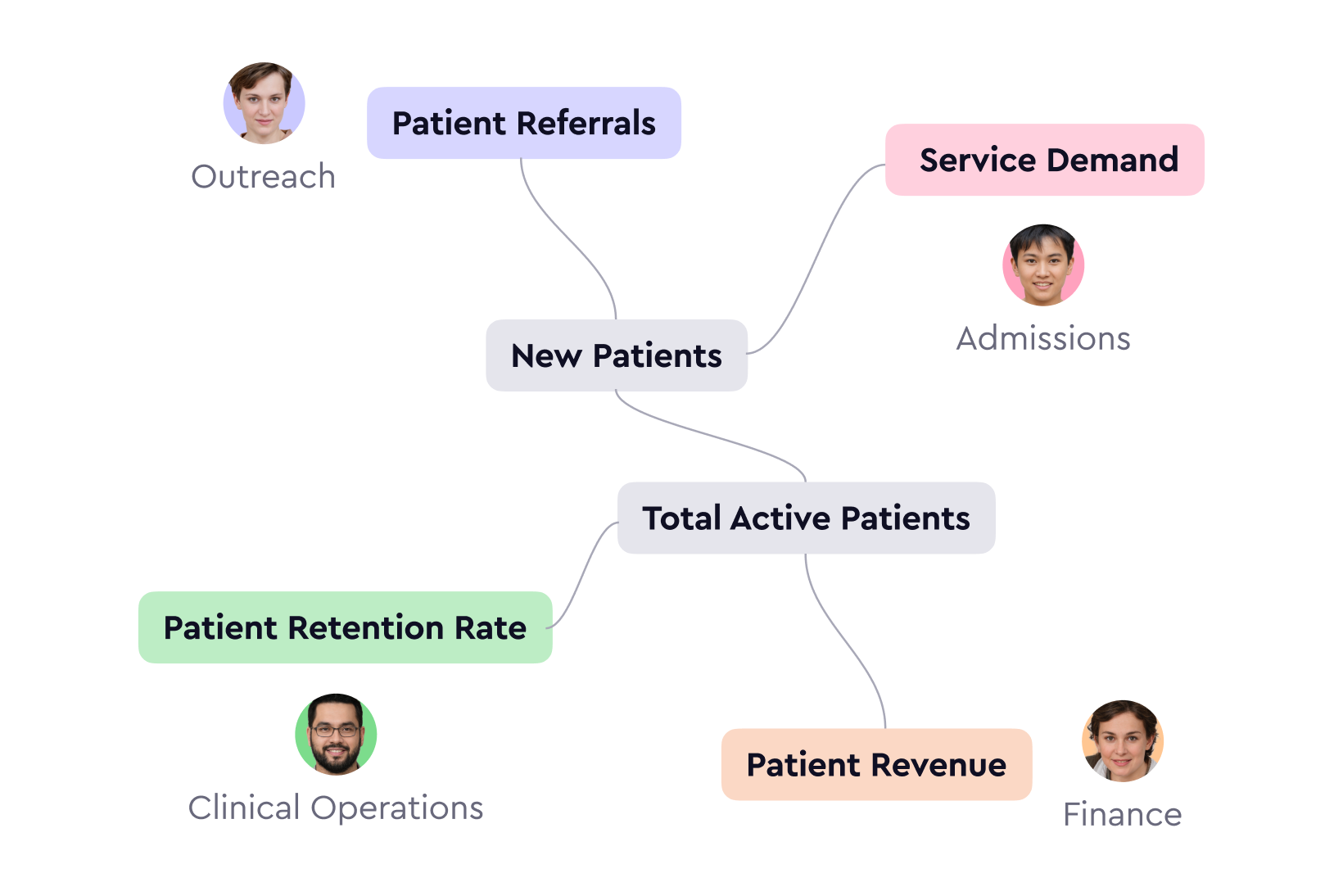
Improve Collaboration Across Teams
From clinical staff to IT and data teams, everyone reads from one governed model instead of reconciling conflicting spreadsheets. Shared definitions mean a metric means the same thing in every conversation and every tool.
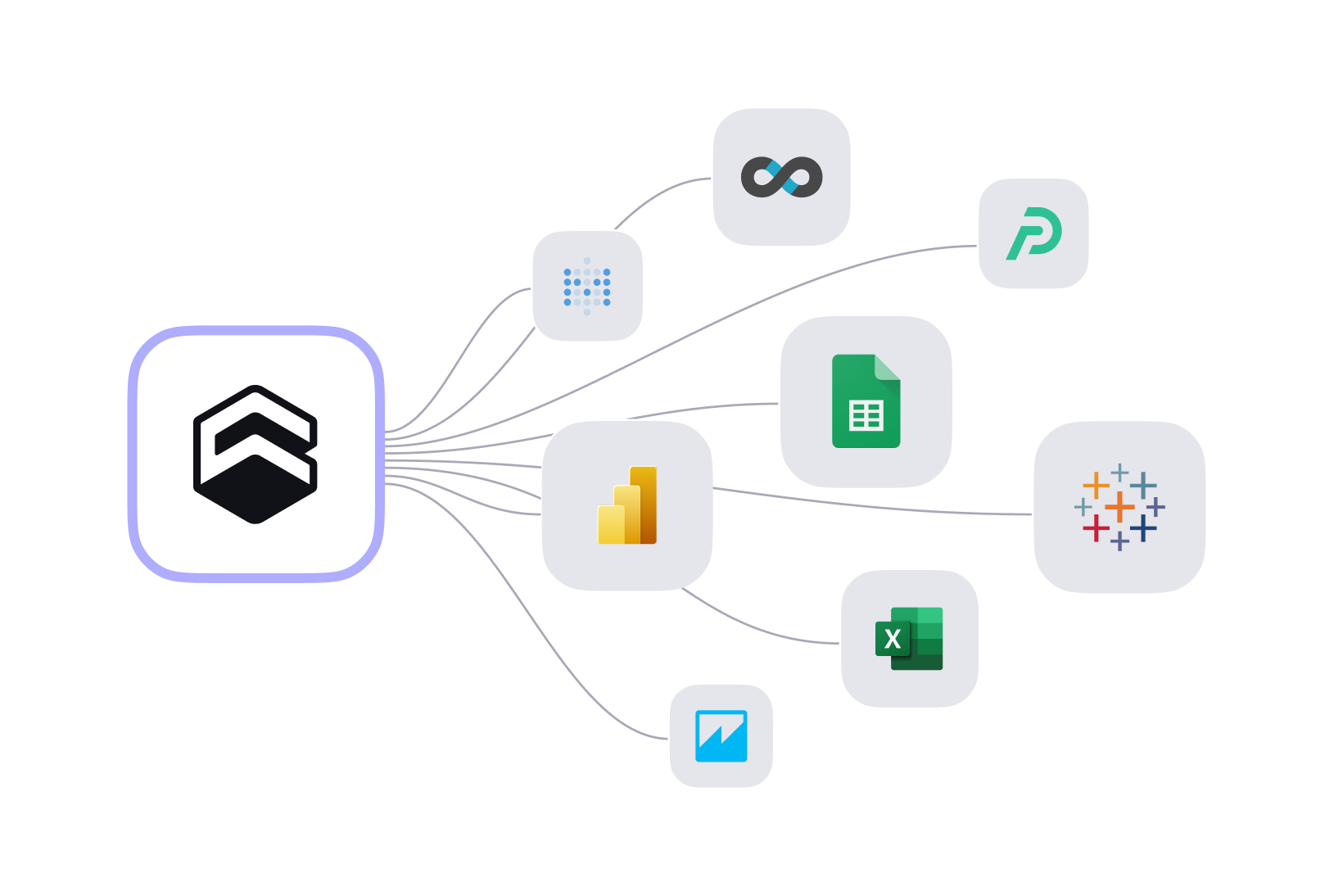
Build a Future-Ready Data Architecture
Cube runs on top of your cloud warehouse and adapts as data sources, tools, and regulations change. Add AI-powered analytics — internal or embedded for partners — without re-modeling your metrics each time.
“None of the standard BI tools can provide a truly native analytical experience. So, if that’s what you’re looking to give your end users, you definitely need a semantic layer platform that can create a seamless embedded analytics UX”Read the story